

Silver Oak casino Plinko
Introduction
Plinko looks almost too simple to deserve a long analysis. A ball drops from the top of the board, hits a field of pegs, changes direction again and again, and finally lands in a slot with a multiplier. That is the entire visual idea. Yet in practice, Silver oak casino Plinko creates a very specific type of gambling session that feels different from slots, roulette, crash games at Silver Oak Casino, and even most instant-win formats.
I have spent enough time studying this format to say that its appeal is not based on visuals or story. It comes from tension. Every round starts with a clean setup, but the path is never fully readable in real time. That gap between a transparent interface and an unpredictable outcome is exactly why Plinko keeps players engaged.
For Australian players looking at Plinko at Silver oak casino, the important question is not whether the board looks entertaining. The real question is what this game actually offers over a session: how the ball movement translates into results, how risk settings change the experience, and whether this style of play fits your expectations. That is what I will break down here.
What Plinko is and why it attracts so much attention
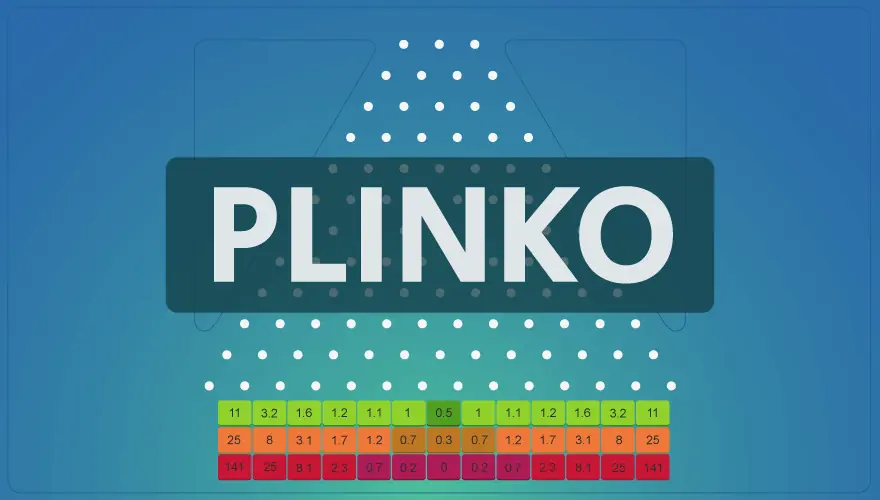
At its core, Plinko is a probability-driven casino game built around a vertical pegboard. The player chooses a stake, often selects the number of rows and a risk level, and then releases a ball from the top. As the ball collides with pegs, it moves left or right until it reaches one of the payout slots at the bottom.
What makes Plinko stand out is the contrast between its easy entry point and its surprisingly sharp variance profile. You do not need to learn paylines, Silver Oak Casino promotions guide for bonus hunters among Australian players symbols, card values, or betting combinations. The interface is usually clean enough that a new player understands the basics in seconds. But that simplicity can be misleading. Small changes in settings can turn the same board from a relatively steady low-intensity session into a high-swing experience where many modest results are punctuated by rare large multipliers.
That is why the format became so visible across modern gambling platforms. It is easy to watch, easy to explain, and very easy to underestimate. The board gives an illusion of openness: you can literally see the ball falling. But visibility is not the same as control. This is one of the first things a player should understand before trying Silver oak casino Plinko.
There is another reason the game catches attention. Unlike many digital casino products, Plinko creates suspense without needing elaborate animation. A short fall of a ball across pegs can feel more dramatic than a long slot spin because the eye follows every deflection. That makes each round feel active, even though the outcome is still determined by chance.
How the Plinko mechanics actually work
The visible mechanic is straightforward: the ball drops, bounces through the peg grid, and ends on a multiplier. The practical mechanic is more nuanced. Each contact point changes the route, and the final distribution of outcomes is built around probability clusters rather than equal chances for every slot. Players who value quick withdrawals will find real timings in best crash games page at Silver Oak Casino.
In most Plinko versions, the center slots appear more often than the outer edges. This matters because the biggest multipliers are usually placed on the far sides, while lower or more common returns sit closer to the middle. So when players chase the headline numbers, they are usually chasing outcomes that occur much less frequently than the board’s central landings.
Several adjustable settings shape the session:
- Stake size — determines the monetary value of each result.
- Risk level — usually low, medium, or high; this changes the payout distribution.
- Rows — in many versions, more rows create a longer path and can widen the spread of possible multipliers.
These settings are not cosmetic. They change how the session feels and how sharply results can swing. A low-risk setup often compresses outcomes toward smaller, more frequent returns. A high-risk setup usually stretches the payout map, meaning more rounds can end in low-value zones while a few rare landings carry much larger multipliers.
That is the central logic of Plinko: not “drop and hope,” but “choose your distribution before you drop.” Many players miss this. They focus on the ball animation and forget that the session profile is largely shaped before the round even starts.
| Setting | What it changes | What it means in practice |
|---|---|---|
| Bet amount | Base value of each drop | Higher stakes amplify both routine returns and losing stretches |
| Risk level | Payout distribution across the board | Higher risk usually means rarer top multipliers and rougher short-term results |
| Number of rows | Length and spread of the ball path | Can increase suspense and widen the range between common and rare outcomes |
A useful observation here: Plinko does not hide its structure, but it does hide how quickly a “simple” setting change can alter bankroll behavior. Two sessions can look almost identical on screen and still feel completely different financially.
Why the game feels engaging and how its pace works in real sessions
Plinko has a clean rhythm. A round begins instantly, resolves quickly, and gives immediate feedback. There is no need to wait through long symbol cascades or bonus intros. This creates a fast loop: choose settings, drop the ball, see the result, repeat.
The pace makes it easy to misjudge how much time has passed, so setting a session limit before starting is the practical safeguard. Another point worth double-checking is the minimum bet size when autoplay is active, since a small base stake multiplied across hundreds of rapid rounds can still add up faster than expected.
What keeps the format interesting is that the pace feels faster than the information load. You understand each round immediately, but the emotional response changes depending on where the ball drifts. A drop that starts slightly left can still finish near the center. A ball that appears to be moving toward an outer multiplier can bounce back at the last moment. This creates micro-drama in every round.
One of the more memorable things about Plinko is that disappointment often arrives one peg before excitement. You can watch the ball flirt with a premium edge slot and then redirect into an ordinary result at the very end. That near-miss feeling is part of the game’s pull, and players should be aware of it.
At Silver oak casino, this matters because the practical value of Plinko depends on whether you enjoy short, repeated moments of suspense more than longer-form feature play. If you want a compact session with constant decision feedback, Plinko has a clear advantage. If you prefer a slower build with themed content and layered bonuses, it may feel too stripped back.
Risk levels, probability patterns, and what players should really understand
The biggest mistake I see with Plinko is treating it like a neutral casual game. It is not. The board looks playful, but the mathematics can be aggressive depending on the setup.
Probability in Plinko is not evenly spread across all outcomes. The path of the ball creates a distribution where central zones are usually more common and the edges are less frequent. This means the largest multipliers are typically rare by design. The game can absolutely produce standout returns, but those outcomes are not representative of the average rhythm of play.
Risk settings deepen this effect:
- Low risk tends to cluster more results in moderate zones, which can make the session feel steadier.
- Medium risk usually introduces a more noticeable gap between ordinary and stronger returns.
- High risk often creates long stretches of underwhelming landings while preserving the possibility of a large multiplier.
For the player, this means one simple thing: the same game can behave like three different products depending on the chosen setup. A low-risk session may appeal to someone testing the format or managing a tight bankroll. A high-risk session is closer to a chase model, where the attraction comes from the possibility of a rare spike rather than from consistent returns.
Another practical point is that short-term results in Plinko can be deceptive. Because rounds resolve quickly, players may feel they are “due” for a better landing after a sequence of weak outcomes. That is not how the game works. Each drop is a fresh event within the board’s probability structure. Speed can create false patterns in the mind, especially during repeated play.
This is where Silveroak casino players should stay disciplined. Plinko is easy to understand visually, but it is just as easy to overread. A cluster of center landings does not signal that an edge multiplier is coming next.
How Plinko compares with slots and other casino games
Plinko sits in an unusual position. It shares some DNA with instant-win games because rounds are short and outcomes are direct. At the same time, it can resemble slots in the way variance shapes the session. But it is not really the same as either.
Classic slots are built around reels, symbol combinations, bonus rounds, and often a long-tail structure where feature triggers define the strongest moments. Plinko removes almost all of that. There are no paylines to track, no scatter anticipation, and usually no layered bonus system. The tension lives entirely in the drop itself and in the multiplier map at the bottom.
Compared with Silver Oak Casino roulette before making a deposit, Plinko feels more visual and less static. Roulette gives a clear wheel outcome, but the path to the result is less interactive on screen. Compared with crash games, Plinko offers less player timing and more passive observation. Compared with dice-style instant games, it adds a visual journey that makes the randomness feel more dramatic.
| Format | Main source of tension | Player experience |
|---|---|---|
| Plinko | Ball path and final multiplier slot | Fast, visual, repetitive, highly dependent on risk settings |
| Slots | Reel outcomes, features, bonus rounds | Theme-driven, more layered, often slower between key events |
| Roulette | Wheel result and bet selection | Simple but less animated during resolution |
| Crash games | Cash-out timing before the crash | More active decision pressure, less visual randomness in the path |
The most important difference is this: in slots, complexity is often front-loaded into symbols and features. In Plinko, complexity is hidden inside distribution and session tempo. That is why the game can look easier than it really is.
Where Plinko performs well and where it falls short
Plinko has several clear strengths. First, it is accessible. A new player does not need a tutorial to understand what is happening. Second, it creates immediate tension. Third, it gives players meaningful control over session style through risk and row settings, even though it does not offer control over outcomes themselves.
It also works well for players who like measurable, visible cause-and-effect in presentation. You can watch the ball react to the pegboard instead of simply waiting for symbols to stop. That makes the game feel transparent, even though the result is still chance-based.
But the limitations are just as real. Plinko can become repetitive for players who need narrative, progression, or feature variety. There is no evolving bonus structure to break up the flow. The board remains the board. If the core drop-loop does not hold your attention, the format runs out of novelty quickly.
The other weak point is that the game’s simplicity can encourage overconfidence. Because there are only a few visible settings, some players assume they fully understand the product after a handful of rounds. In fact, the emotional and bankroll impact of different risk profiles only becomes obvious over longer sessions.
A second memorable observation: Plinko often feels most harmless right before it starts draining a bankroll faster than expected. Not because it is deceptive in design, but because its clean interface removes the friction that usually reminds players how many rounds they have already played.
Who Plinko suits and who may prefer another format
In my view, Plinko suits players who value directness. If you want a casino game that starts instantly, resolves quickly, and does not bury the main action under layers of presentation, this format makes sense. It also suits players who enjoy adjusting session tone through risk settings and who are comfortable with a more statistical style of entertainment.
It may be a good fit if you:
- prefer short rounds and immediate results;
- like visual suspense without complex rules;
- want a game where changing one setting clearly changes the session profile;
- understand that rare top multipliers are not routine outcomes.
It may not be the right fit if you:
- play mainly for bonus rounds, story themes, or evolving features;
- dislike repetitive round structure;
- find fast betting loops hard to manage;
- expect frequent standout returns from high-risk setups.
For some players at Silver oak casino, Plinko will feel refreshingly clean. For others, it will feel too bare once the novelty of the falling ball wears off. That split is normal. This is not a universal crowd-pleaser; it is a format with a very specific rhythm and appeal.
What to check before launching Silver oak casino Plinko
Before starting a session, I would focus on a few practical points rather than on the surface presentation.
First, check the available risk levels and row options. These settings define the character of the session far more than many players expect. If you begin on a high-risk setup just because the top multiplier looks attractive, you may get a distorted first impression of the game.
Second, decide what kind of session you want. Are you testing the board casually, or are you intentionally choosing a high-variance experience? Plinko rewards clarity of intent more than impulse. Without that, it is easy to drift into a rhythm that does not match your bankroll or your mood.
Third, pay attention to speed. Because rounds are short, session control matters. A game that resolves in seconds can quietly multiply stake volume. This is especially relevant for players who move quickly between drops without reviewing how the last stretch actually performed.
Fourth, use demo access if available. Demo play is useful here not because it reveals hidden secrets, but because it helps you feel the pacing. Plinko is one of those formats where reading about it is less informative than seeing how a hundred quick rounds actually feel.
A final observation worth remembering: the interface suggests calm, but the session can feel intense once a player starts chasing edge multipliers. That contrast is part of the game’s identity.
Final verdict
Silver oak casino Plinko offers a compact, probability-driven gambling experience built around fast rounds, visible randomness, and adjustable risk. Its key strength is clarity: the board is easy to read, the objective is obvious, and the suspense arrives without unnecessary decoration. For players who want immediate action and a format that shows its core idea in plain sight, that is a real advantage.
At the same time, Plinko demands realistic expectations. The game may look casual, but its outcome spread can be sharp, especially on higher-risk settings. Big multipliers are part of the appeal, not the baseline. The faster the session moves, the more important bankroll discipline becomes.
That is why I see Plinko as a strong fit for players who enjoy short-form tension, simple controls, and a more mathematical style of casino entertainment. It is less suitable for those who want rich bonus structure, slower pacing, or a deeper sense of progression. In other words, Plinko is not trying to be everything. It offers a clean, concentrated form of chance. If that is what you want, it can be highly effective. If you want variety and layered gameplay, another format will likely serve you better.
FAQ
How does Plinko work when the ball drops?
A ball is released from the top of the board and bounces through the pegs, then lands in a multiplier zone. The multiplier shown for that zone determines the result for that round. Each round is independent, so outcomes can vary even with the same stake.
What should be checked before the first real-money spin or round?
Confirm the game mode toggle shows real-money play, not demo mode. Also review the current stake and any table limits displayed beside the Plinko board. If a bonus is involved, check whether it affects wager requirements for that session.
Does Plinko have different risk levels or volatility settings?
Plinko rounds can be associated with different volatility profiles based on the selected table or mode. The game interface may indicate this through the chosen table settings or overall behavior. Checking the on-screen risk/volatility info helps match the session to the desired pace and uncertainty.
How does Plinko work on mobile: through the mobile site or the casino mobile app?
Plinko can be played from the mobile casino app or the mobile site, depending on device support. On either option, the game should load with touch controls for stake and launch. If the board does not render smoothly, using the app version or switching browsers can improve stability.
What responsible play options are available when session limits feel too heavy?
Silver Oak provides tools to support safer session management, such as limit settings and responsible gambling controls in the account area. Review the options for deposit, play, and time limits so the Plinko experience stays within chosen boundaries. If anything needs attention, support can assist with account options and game access settings. Always follow the rules shown for the current mode and take breaks when required.